
Trees are an important part of London’s landscape. They improve air quality, provide shade and contribute to the character of many residential and commercial areas.
However, large trees located close to buildings, roads and public spaces also require careful monitoring. Structural weaknesses, decay or storm damage can create potential safety risks if they are not identified early.
A professional tree safety report in London helps property owners understand the condition of their trees and whether any action is needed to reduce risk. These reports are widely used by homeowners, landlords, property managers and commercial landowners.
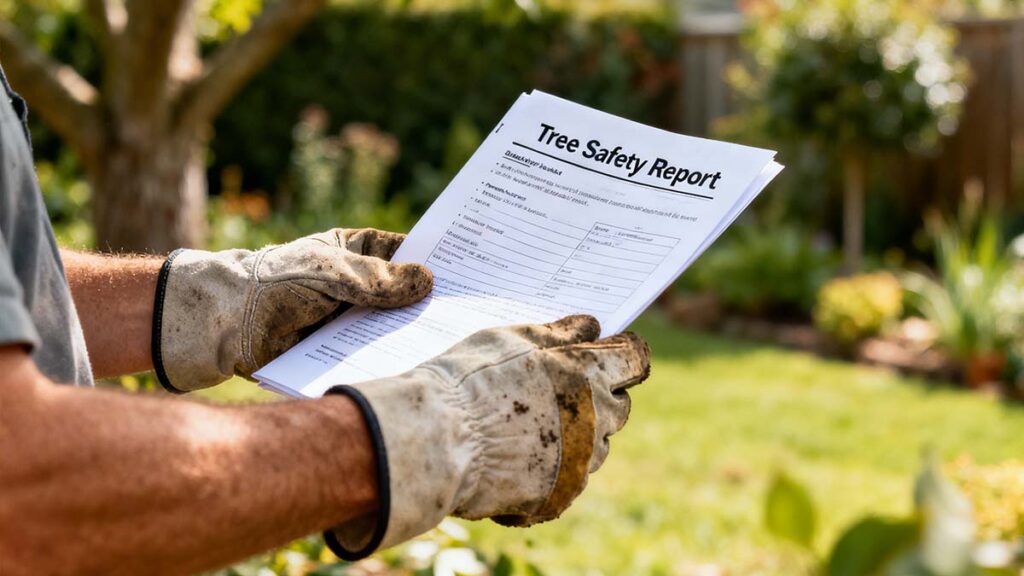
What Is a Tree Safety Report?
A tree safety report is a professional assessment carried out by a qualified arboricultural consultant. The purpose of the report is to evaluate the condition and structural stability of trees within a specific location.
During the inspection, the arborist will look for signs that a tree may pose a risk to people or nearby property.
The assessment normally focuses on:
- Tree health and vitality
- Structural stability
- Signs of decay or disease
- Root condition and ground stability
- Overhanging or damaged branches
The results are recorded in a detailed report that outlines the findings and provides recommendations for maintenance or further investigation if required.
Common Tree Safety Risks in Urban Areas
Trees in cities often grow in challenging conditions. Limited soil space, nearby buildings and environmental stress can affect their long term stability.
A professional inspection helps identify issues that may increase the likelihood of failure.
Storm Damage and Structural Weakness
Strong winds and storms can weaken tree structures over time. Branches may crack or partially break without being obvious from the ground.
These hidden weaknesses can increase the risk of branch failure during future storms.
A tree safety inspection helps identify damaged limbs or structural defects that require attention.
Tree Decay and Disease
Fungal infections and internal decay can gradually weaken the structure of a tree.
These issues often develop slowly and may not be visible without a detailed inspection.
A qualified arborist can identify symptoms of disease or decay and recommend appropriate management strategies.
Overhanging Branches Near Buildings
Large branches growing above roofs, driveways or public pathways can present safety concerns.
In some cases, branches may grow too close to buildings, power lines or roads.
A safety report helps determine whether pruning or maintenance work is needed to reduce these risks.
Who Should Request a Tree Safety Inspection?
Tree safety inspections are useful for many different types of property owners and land managers.
In urban areas such as London, trees often grow in close proximity to buildings and public spaces, which makes regular assessment important.
Landlords and Property Managers
Landlords and property managers have a duty to maintain safe environments for tenants and visitors.
Regular tree inspections help ensure that trees on the property are monitored and maintained responsibly.
A professional report provides documented evidence that the trees have been assessed by a qualified specialist.
Commercial Property Owners
Businesses with trees located on their premises may need periodic inspections to reduce potential liability risks.
Shopping centres, office buildings and hospitality venues often arrange tree safety inspections as part of their property maintenance plans.
This helps ensure that outdoor areas remain safe for employees, visitors and customers.
Schools and Public Spaces
Schools, parks and other public areas frequently contain mature trees.
These trees provide valuable environmental benefits but must also be monitored to ensure they remain safe.
Professional safety reports help organisations manage their trees responsibly and plan maintenance work where necessary.
How Tree Safety Reports Help Prevent Accidents
One of the main benefits of a tree safety report is the ability to identify potential problems before they lead to accidents.
Trees can deteriorate gradually over time. Structural weaknesses or decay may develop without obvious warning signs.
Early inspection allows arborists to recommend preventative maintenance such as:
- Crown reduction
- Deadwood removal
- Structural pruning
- Further diagnostic testing
By addressing issues early, property owners can reduce the risk of branch failure or tree collapse.
What Information Is Included in a Tree Safety Report?
A professional tree safety report normally includes detailed information about the trees inspected and their condition.
Typical information may include:
- Tree species identification
- Height and canopy spread
- Structural condition
- Evidence of decay or disease
- Risk observations
- Recommended management actions
The report may also include photographs and site observations to support the assessment.
This information helps property owners understand the current condition of their trees and what steps may be required to maintain safety.